


UX/UI Design
 Rahul Borse
The Power of Graphics in Design
Rahul Borse
Introduction
Visual aesthetics convert. In the modern web landscape, custom illustrations, premium icon sets, glassmorphic interfaces, and micro-interactive elements form the bridge between raw functionality and customer delight. By using unified visual themes, brands communicate values instantly.
We discuss the engineering of premium design assets, aligning visual styles with CSS properties, and designing high-fidelity graphics.
Custom Brand Tokens
Creating cohesive layout elements starts with robust CSS design tokens. Using HSL color schemes enables simple opacity scaling and clean light/dark transitions across variables:
CSS Variables
:root {
  --primary-hue: 240;
  --primary-sat: 65%;
  --primary-light: 55%;

  /* Dynamic HSL styling */
  --color-primary: hsl(var(--primary-hue), var(--primary-sat), var(--primary-light));
  --color-primary-alpha: hsla(var(--primary-hue), var(--primary-sat), var(--primary-light), 0.15);
}
"Design is not just what it looks like and feels like. Design is how it works under high-concurrency client demands."Rahul Borse — UX/UI Specialist
Layout Grids & Spacing
Aligning layout components to baseline grids guarantees consistency across screen sizes. Using CSS flexbox or grid layouts with responsive values facilitates cleaner code files compared to absolute element positioning.
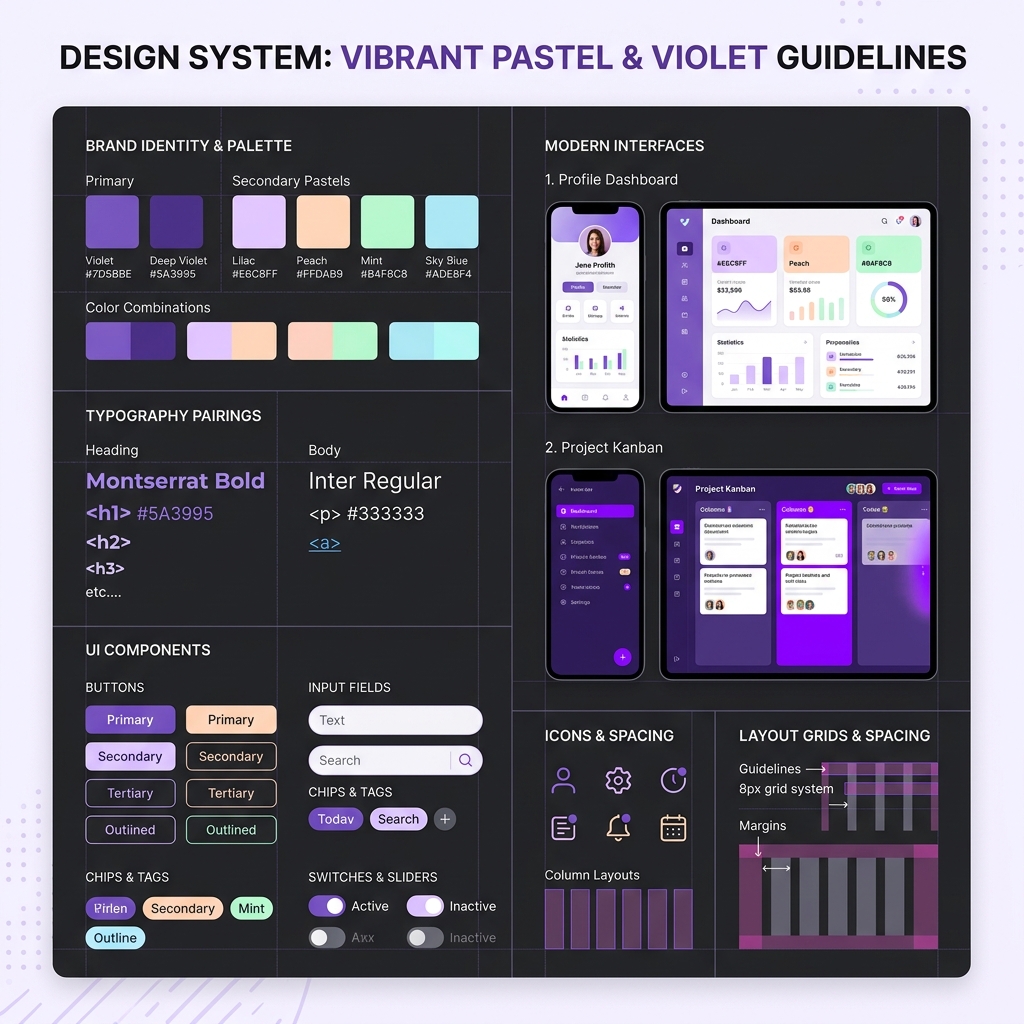
Gallery Showcase
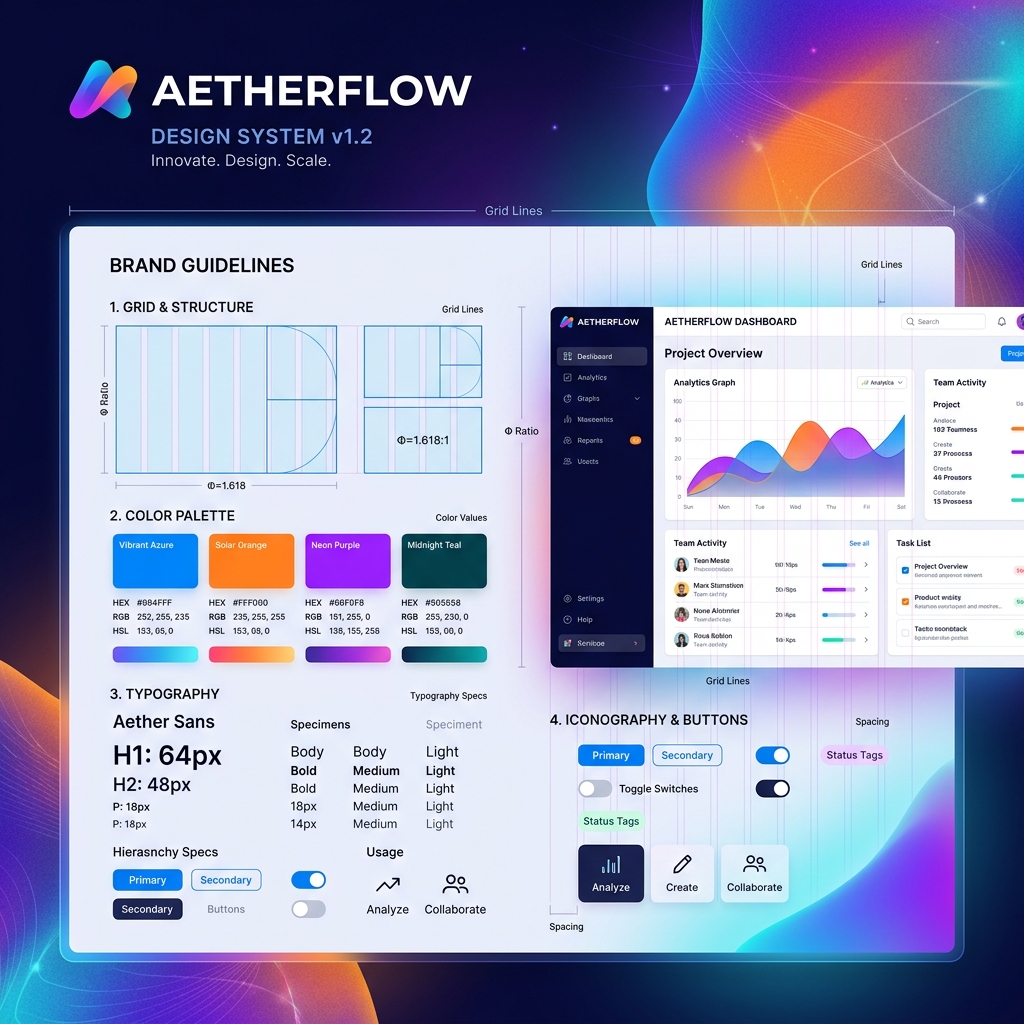
Exploring color systems, guidelines, and visual specifications inside modern portfolios.
Brand Guide Elements
Mockups of typography structures, palette maps, and interface layouts.

Summary
By integrating graphics, semantic structure, and smooth transition properties inside core pages, web designers create visual storytelling systems that build trust and scale brand recognition.