

The Future of AI in Web Solutions
 Rahul Borse


Introduction
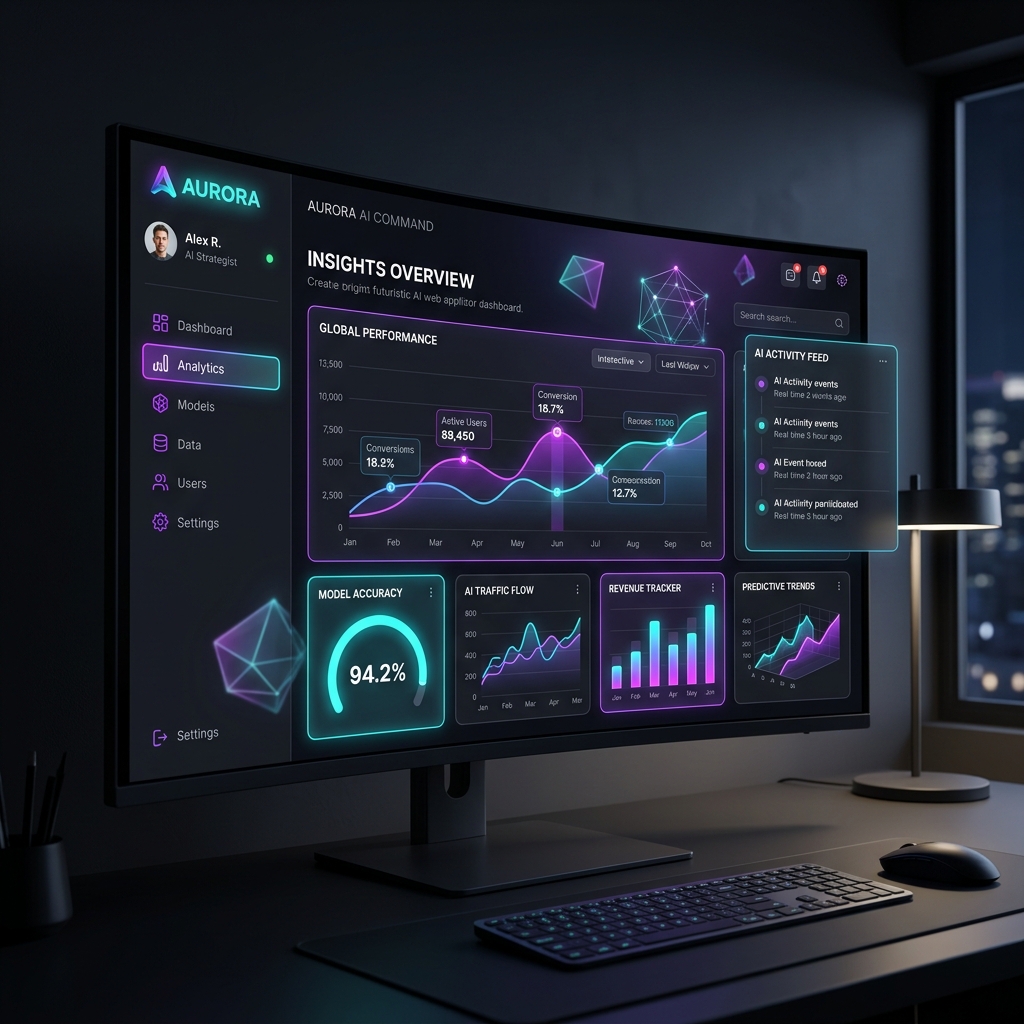
Generative Artificial Intelligence is no longer just a backend utility; it is rapidly shifting the frontlines of product design and user experience. Modern web platforms are transitioning from static, database-driven templates to adaptive environments that anticipate user intent in real-time. By utilizing Large Language Models (LLMs) and context-aware design systems, companies are redefining what a digital experience feels like.
For software engineers and UI/UX designers, this shift presents both an opportunity and a paradigm change. Standard responsive layouts are giving way to intelligent dashboards that reorganize layouts, generate interface components on the fly, and summarize vast amounts of complex workflows into clean, contextual summaries.
The Shift to Intelligence
Moving from traditional layouts to AI-driven modules requires robust backend connectors coupled with fluid frontend interfaces. Developers must build systems capable of parsing LLM responses, cleaning JSON schemas, and rendering corresponding templates securely.
namespace App\Services\AI;
use Illuminate\Support\Facades\Http;

class OpenAIService {
    public function generateLayoutContext(array $userData): array {
        $response = Http::withToken(config('services.openai.key'))
            ->post('https://api.openai.com/v1/chat/completions', [
                'model' => 'gpt-4o-mini',
                'response_format' => ['type' => 'json_object'],
                'messages' => [
                    ['role' => 'system', 'content' => 'Generate card layout JSON tokens.']
                ]
            ]);
        return $response->json();
    }
}
"Artificial intelligence will not replace software developers, but developers who harness AI integrations will rapidly out-develop those who do not."Rahul Borse — Principal Tech Architect
Code & Gallery Showcase
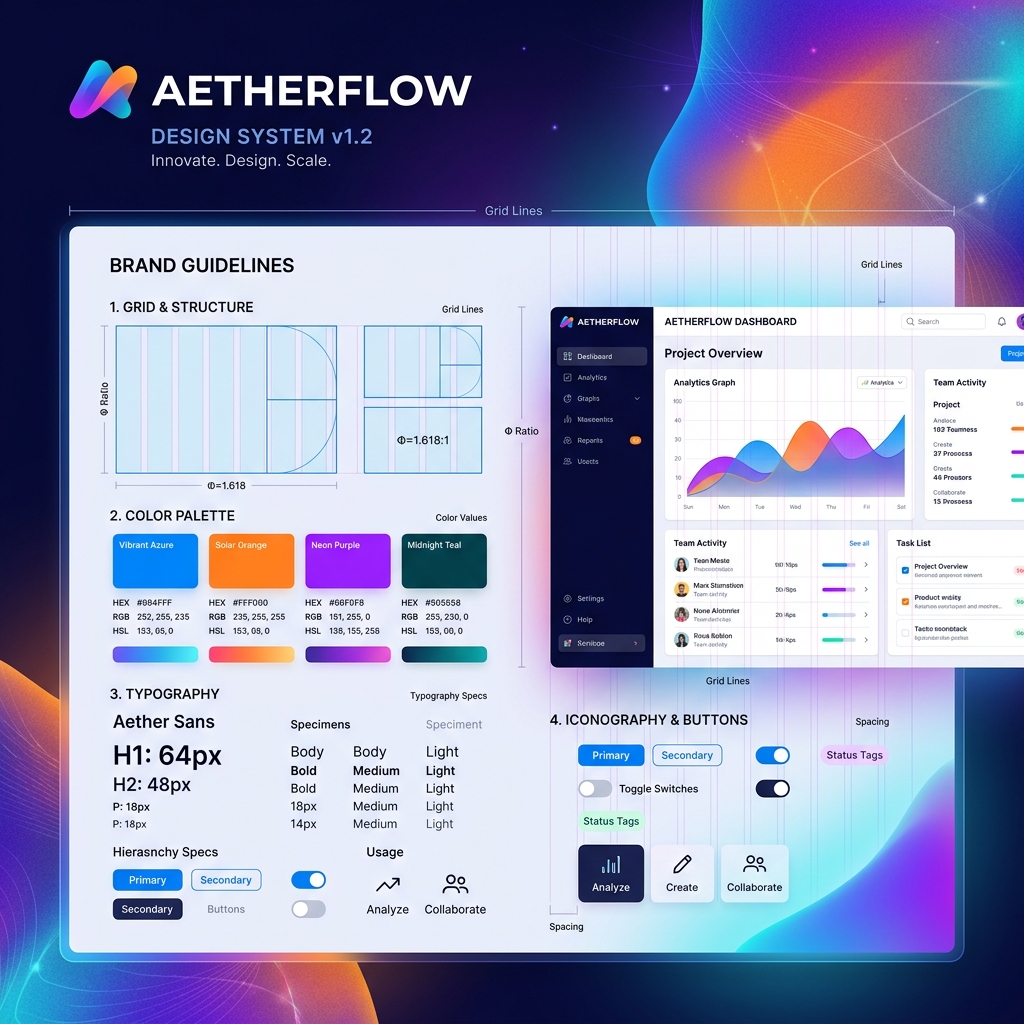
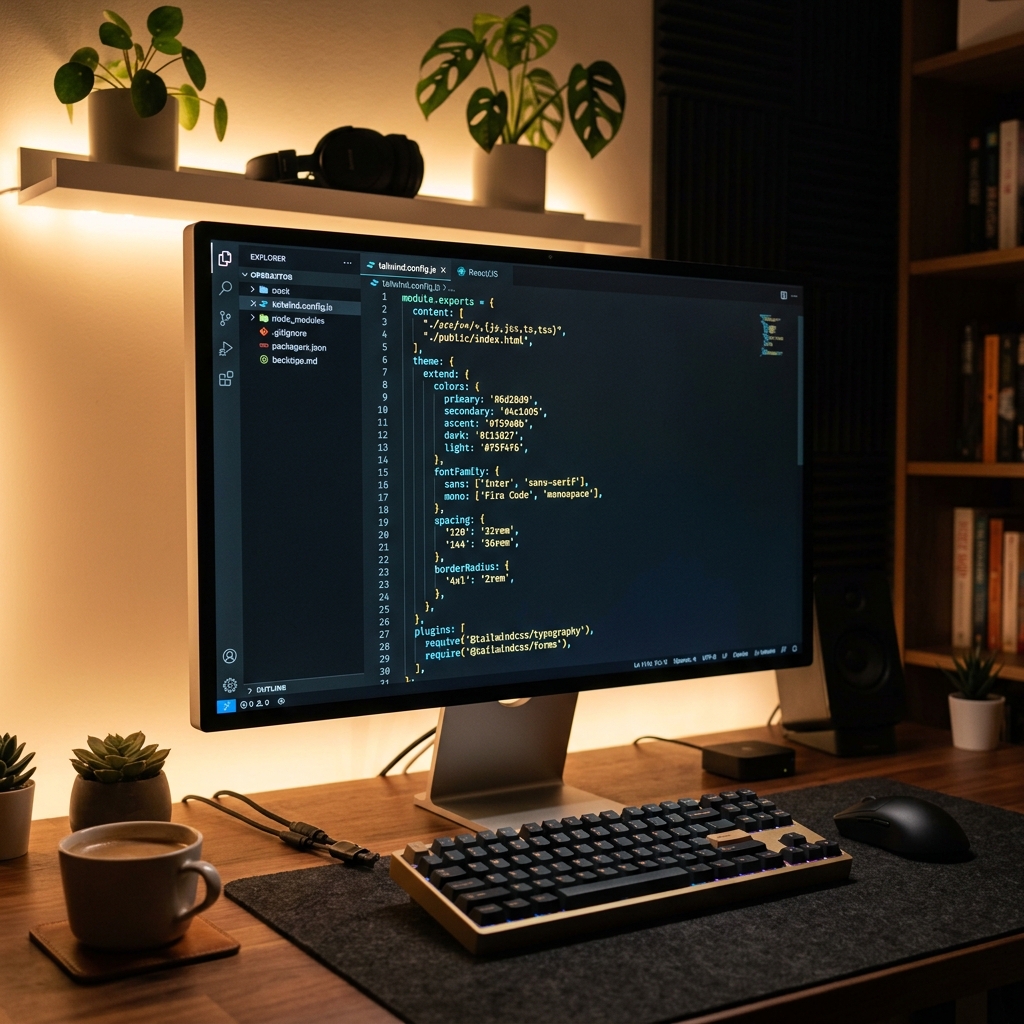
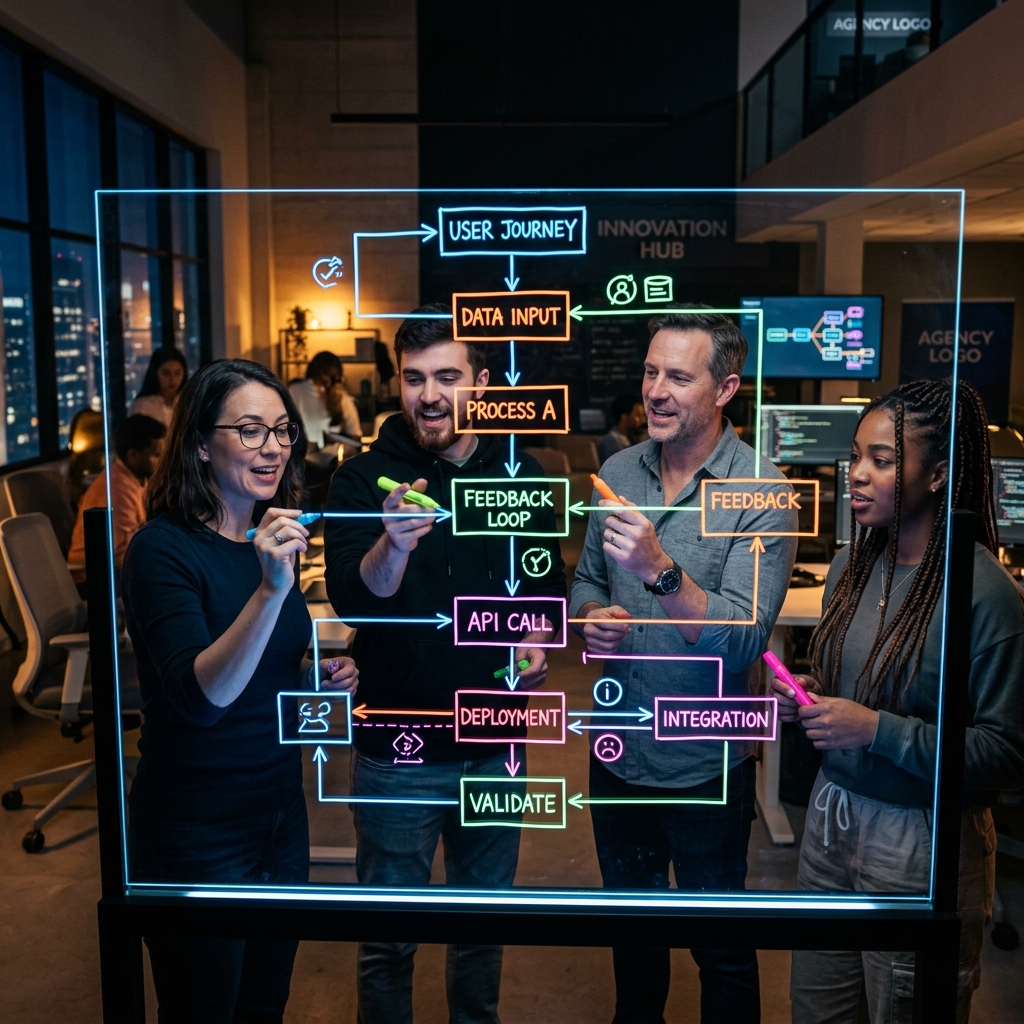
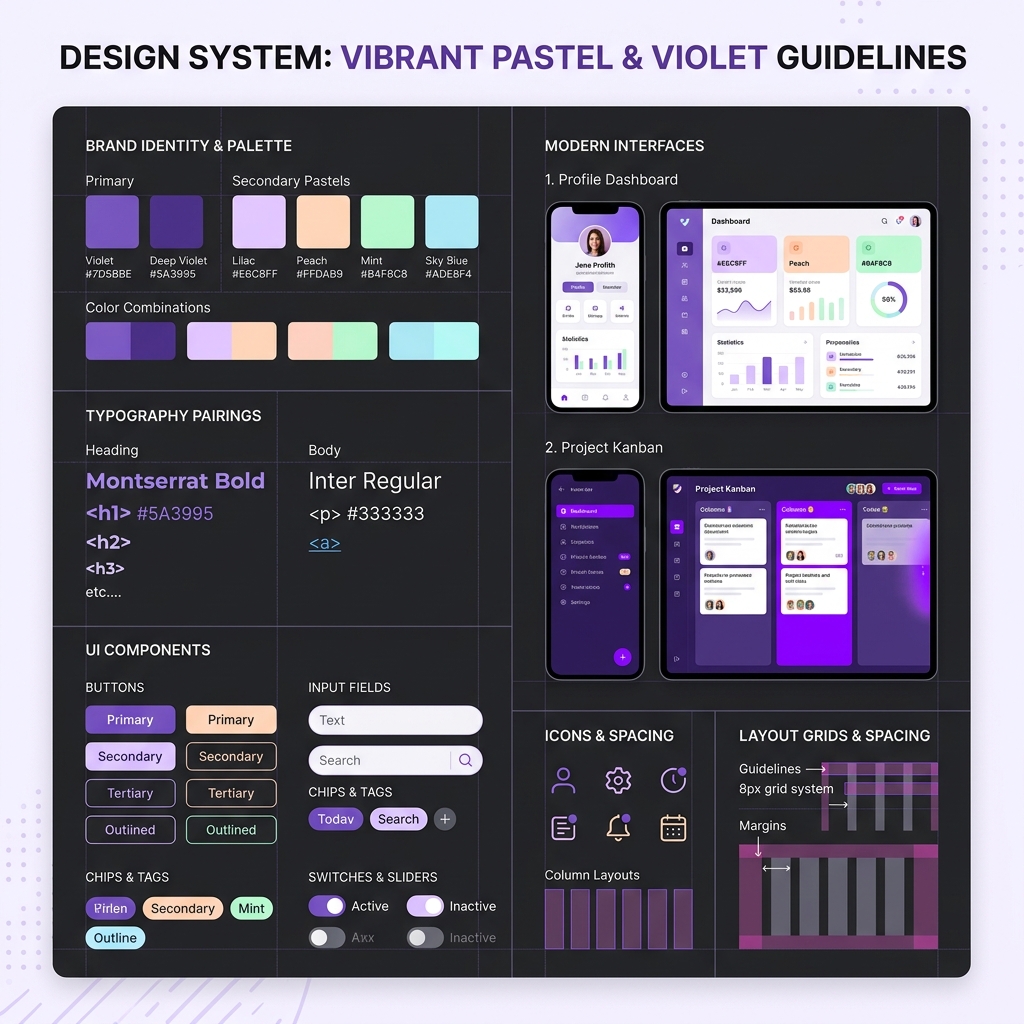
Creating visually cohesive components inside blog modules involves packing together text grids, call-to-actions, and multi-image media blocks. This layout must look premium, supporting high resolution media grids while scaling smoothly across viewports.
Featured Showcase Block
A sample block section presenting a primary cover image, a multi-image nested grid gallery, and a styled CTA button.
Structured Layout System
Design layouts rely on solid margins, distinct semantic hierarchy, and micro-interactive tags. Ensuring that typography tags adjust smoothly when transitioning into tablet and mobile screen sizes is crucial.
Future Outlook
We are only scratching the surface of generative UI. In the coming years, web solutions will adapt layout flow natively on a user-by-user basis, ensuring that readability, accessibility, and visual joy are custom tailored dynamically. By investing in modern CSS variables, developers lay the foundational groundwork for these exciting applications.