




SaaS Strategy
 Rahul Borse
The Importance of SEO for Scale
Rahul Borse

Introduction
Search Engine Optimization (SEO) is not just about keywords; it is a critical engineering discipline that determines organic search success. Search engine crawlers prioritize clean semantic structures, fast load times, mobile layouts, and proper JSON schemas when assigning rankings.
In this technical deep dive, we explore how metadata, structured JSON-LD payloads, semantic HTML components, and core web vitals impact conversion rates.
Structured Schema Data
Adding JSON-LD structured schemas allows search engine crawlers to parse article details, authors, reviews, and FAQ sections cleanly. Here is a sample metadata payload for blog posts:
HTML (JSON-LD)
<script type="application/ld+json">
{
  "@context": "https://schema.org",
  "@type": "BlogPosting",
  "headline": "The Importance of SEO for Scale",
  "author": {
    "@type": "Person",
    "name": "Rahul Borse"
  },
  "datePublished": "2026-06-16"
}
</script>
"Search engines do not read your pages like human users; they consume your page schema structures to understand the relationships of your contents."Rahul Borse — Technical Marketer
Site Speed Optimization
Core Web Vitals measure user experience directly, evaluating Largest Contentful Paint (LCP), Interaction to Next Paint (INP), and Cumulative Layout Shift (CLS). Optimizing CSS bundles, serving WebP assets, and deferring non-essential scripts are essential for ranking retention.
Gallery Showcase
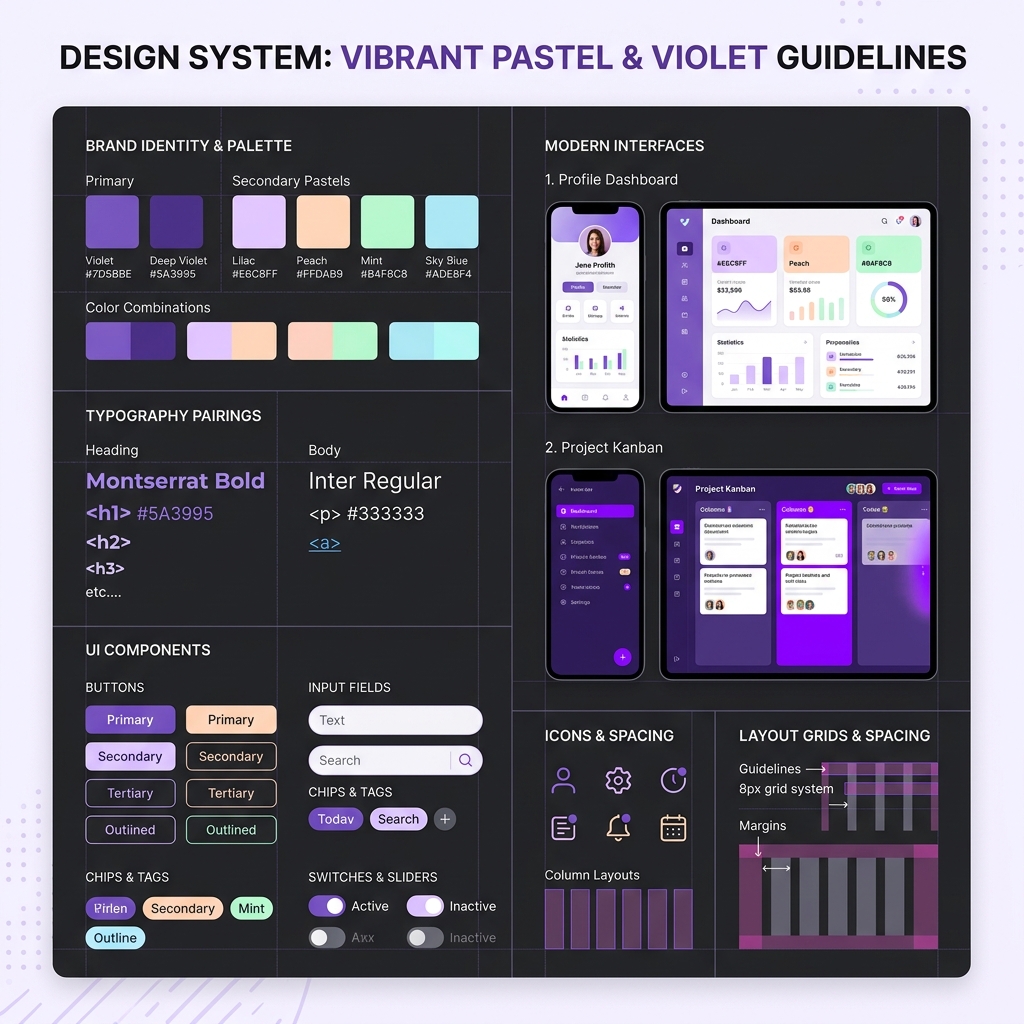
Optimizing SEO setups inside design portfolios and mobile applications.
Core Web Vitals Metrics
Charts, mockups of site audits, and design templates for SEO optimization.


Continuous Monitoring
Using automated tools like Search Console or Lighthouse lets developers continuously scan page indexes and identify crawler errors before they disrupt live traffic conversions.